A backflow preventer typically needs replacement when it fails an annual test, leaks continuously from the housing or relief valve, or causes a sudden, unexplained drop in water pressure throughout the property. Visible rust, cracked housing, or repeated repairs on a unit older than 10 to 15 years are also strong signs that replacement is the smarter long term choice over another repair. In Houston, TCEQ and Houston Public Works require these assemblies to be tested annually, and a failed test is usually the fastest way to find out a unit is done. If tap water looks cloudy or smells off anywhere near the device, shut off water use and call a licensed plumber right away, since that can mean contamination has already reached the clean side of your line.
What Your Backflow Preventer Is Actually Doing Behind the Scenes
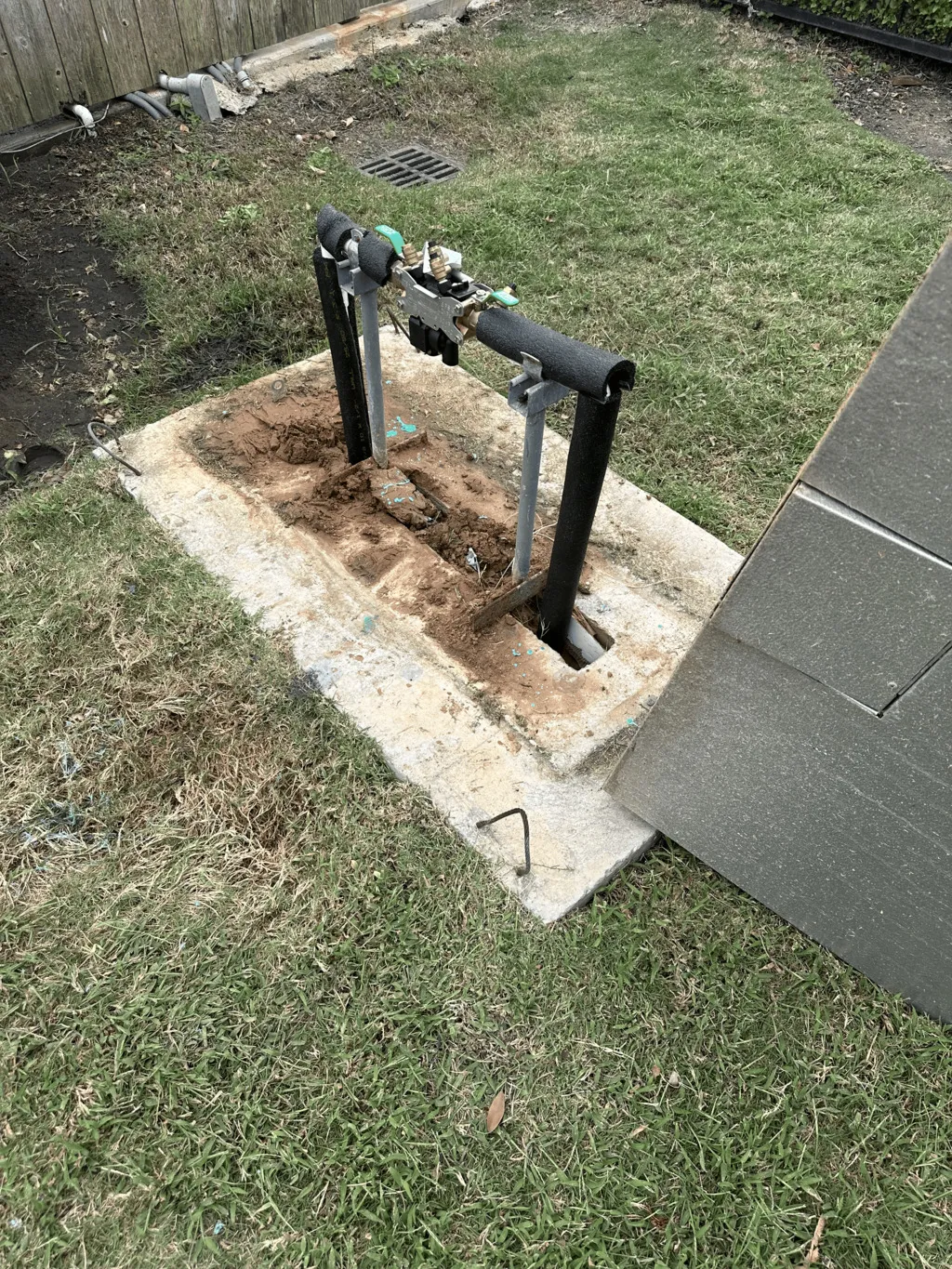
Most homeowners never think about their backflow preventer until something goes wrong with it, and honestly, that makes sense. It’s usually tucked away near an irrigation line or buried in a mechanical room where nobody looks twice. But that small assembly is doing one very important job around the clock. It keeps water that has already left your clean supply, the kind that’s touched soil, fertilizer, pool chemicals, or anything else from your yard or building, from ever flowing backward into the drinking water lines. When pressure drops somewhere in the system, maybe from a water main break down the street or a fire hydrant being used nearby, that’s exactly the moment backflow can happen, and exactly the moment your preventer is supposed to step in and stop it cold.
This is also why Houston Public Works and the Texas Commission on Environmental Quality don’t treat this as optional equipment. Every testable assembly connected to a property, whether it’s protecting an irrigation system, a fire line, or a commercial kitchen, has to go through a backflow inspection at installation, after any repair, and at least once every year after that. The full state requirements are spelled out in TCEQ’s backflow guide, but the short version is this isn’t just a bureaucratic checkbox. These mechanical assemblies have springs, seals, and check valves inside them, and like anything mechanical, they wear down over time. An assembly that passed its test five years ago isn’t guaranteed to pass today.
We get a lot of calls from homeowners who are confused about why this even matters to them personally, since they’re not the ones drinking water straight out of the sprinkler line. Fair point, but here’s the thing. If your preventer fails and backflow happens, that contamination doesn’t necessarily stay contained to your property’s plumbing. Depending on pressure conditions, it can pull contaminated water back toward the municipal supply line, which is exactly why the city enforces this so strictly, with fines that can run up to two thousand dollars a day for noncompliance.
If you’ve gotten a notice in the mail saying your assembly is overdue, or it’s just been a while since anyone checked yours, scheduling backflow testing near Houston sooner rather than later saves you the headache of a violation letter landing in your mailbox. Most residential properties around here are running a Pressure Vacuum Breaker on their irrigation system, while commercial buildings, fire suppression lines, and anything classified as a higher hazard connection usually need a Reduced Pressure Zone assembly or a Double Check Valve Assembly instead. The type installed on your property isn’t a matter of preference, it’s based on what kind of hazard that specific connection represents.
The Warning Signs That Actually Mean Trouble
So how do you know when a repair won’t cut it anymore and you’re looking at an actual replacement? After years of testing, repairing, and replacing these assemblies all over the Houston area, we keep seeing the same handful of warning signs show up again and again. None of them are subtle once you know what to look for.
- Water pressure that drops suddenly, or stays weaker than usual throughout the house, often points to a blocked or failing valve inside the assembly rather than a problem somewhere else in your plumbing.
- Continuous dripping or leaking from the housing, the relief valve, or the seams of the unit usually means a seal has worn out or something inside has corroded. A little discharge from the relief valve now and then is normal. Steady leaking is not.
- Cloudy, discolored, or bad smelling water at the tap is the most serious sign on this list. It can mean the preventer has already failed and contaminants are making their way into the clean side of your system.
- Rust, cracking, or visible corrosion on the body or fittings tells you the metal is breaking down, and if the outside looks rough, the internal parts are almost always in worse shape.
- Hissing, banging, or vibrating sounds near the unit are often a sign that a check valve or internal pressure regulator isn’t seating correctly anymore.
- Failing the annual test, especially more than once on the same unit, is one of the clearest signs replacement makes more sense than another round of repairs.
How Old Is Too Old, and How Often Is Backflow Testing Required
Age plays a bigger role in this decision than most people expect. A Pressure Vacuum Breaker generally holds up for about 6 to 9 years, a Double Check Valve Assembly tends to run 8 to 10 years, and Reduced Pressure Zone assemblies can sometimes stretch past that with good maintenance. Houston’s climate doesn’t make any of this easier. Units installed outdoors, which describes most residential irrigation backflow preventers, take a beating from constant UV exposure, summer heat, and the occasional hard freeze that can crack a housing overnight. As for how often is backflow testing required, the answer in Houston is straightforward: every testable assembly has to be tested annually, and also immediately after installation, relocation, or any repair work. There’s no skipping a cycle because last year’s test passed without issue. The clock resets every twelve months regardless of how the unit performed before.
If you’re past the 10 to 15 year mark and you’ve already had a repair or two, that’s usually the point where we start steering customers toward replacement instead of patching the same unit again. Parts for older models can also get harder to source, which turns a simple fix into a longer wait than anyone wants.
Repair or Replace? Here’s How We Actually Make That Call
Not every issue means you need a brand new assembly. If a unit is under 10 years old and the problem is something like a worn rubber seal or a minor internal component, a rebuild kit usually solves it for a fraction of the cost of replacement. Where it gets less clear cut is everything in between, and a few questions usually settle it. Has this same device failed a test before? Would the repair cost more than roughly half the price of a new unit? Are replacement parts even still being made for this model? If you’re answering yes to more than one of those, replacement is almost always the better use of your money long term. This is also a good spot to mention that if you’re noticing any of these warning signs and want a second opinion before spending money on a repair that might not hold, our team at G.O. Plumbing handles this kind of assessment all the time across the Houston area, and you’re welcome to call us at +1 713-827-7771 to talk through what you’re seeing before deciding which direction to go.
How to Replace a Backflow Preventer the Right Way
A lot of handy homeowners want to know how to replace a backflow preventer themselves, and we get why. It looks like a contained job, a few fittings and a valve. In practice, it’s more involved than it looks, and Houston’s plumbing code doesn’t really leave room for guesswork here anyway.
- The water supply has to be shut off completely before anything is disconnected.
- The old assembly gets removed, and the pipe ends underneath it need to be inspected for rust, mineral buildup, or thread damage.
- Surfaces are cleaned and old sealant is cleared away so the new connection can seal properly.
- A correctly sized replacement assembly, matched to the hazard level of that specific connection, gets installed.
- The new unit has to be tested by a licensed Backflow Prevention Assembly Tester before it’s considered active and compliant.
That last step isn’t optional in Houston. Installation has to be done by a licensed plumber, and testing has to be done by someone holding a separate TCEQ tester license. Skipping either one, or trying to handle the whole thing as a weekend DIY project, tends to create bigger compliance headaches than the original problem ever was.
When to Stop Waiting and Make the Call
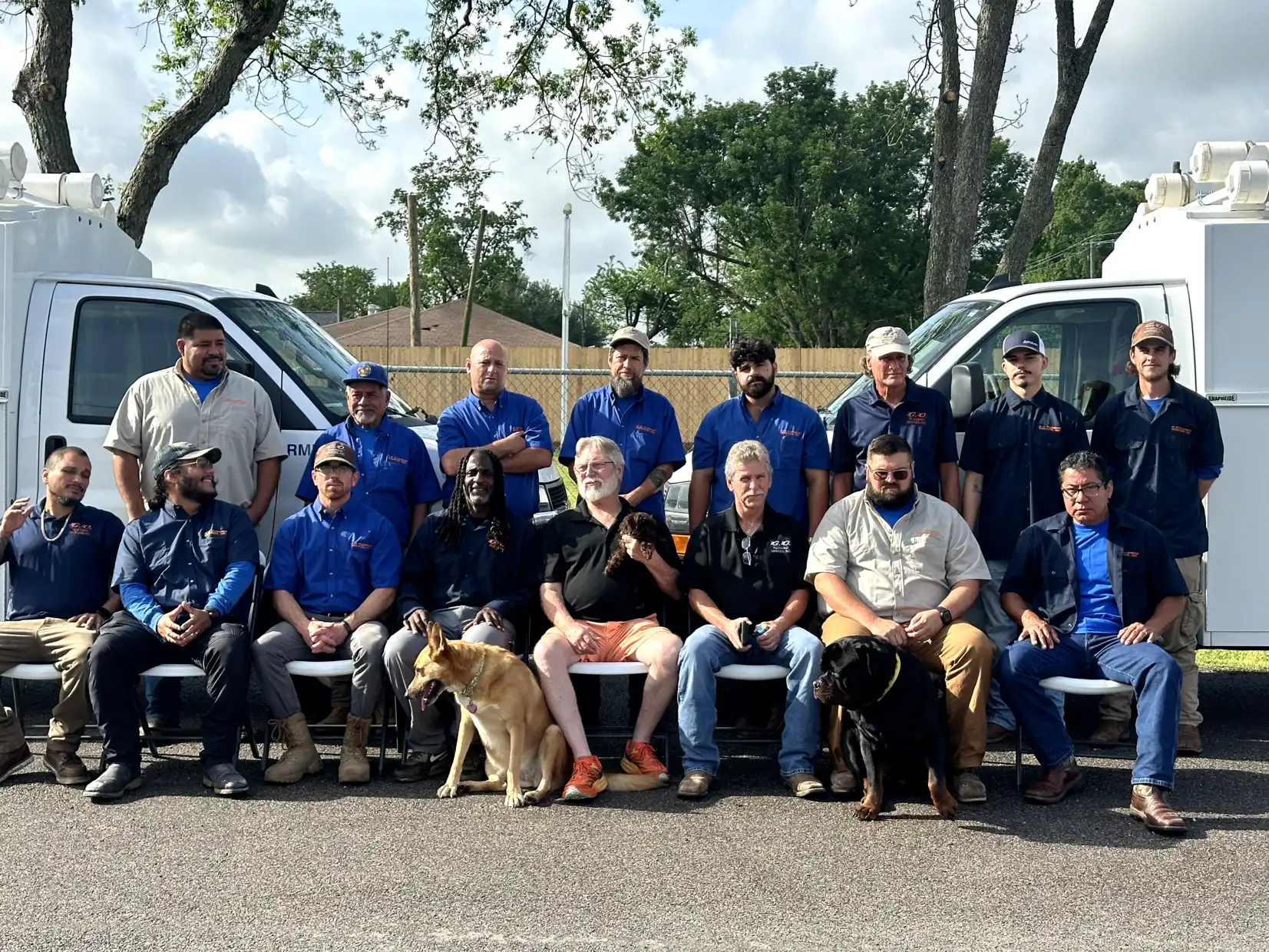
If you’ve read through this list and recognized two or three of these signs in your own system, it’s worth getting ahead of it now rather than waiting for a failed test notice to show up in your mailbox. A failing backflow preventer is one of those problems that’s cheap to deal with early and expensive to deal with late, especially once contaminated water or a city violation gets involved. G.O. Plumbing has been testing, repairing, and replacing backflow assemblies across Houston long enough to know exactly what these units look like at every stage of their lifespan, and we’re happy to take a look at yours before it becomes a bigger issue. Give us a call at +1 713-827-7771 and we’ll get you sorted out.
Frequently Asked Questions
- How do I know if my backflow preventer is bad?
The clearest signs are a sudden drop in water pressure, water leaking from the device itself, discolored or bad smelling tap water, visible rust or cracking on the housing, or a failed annual test result. - How much does it cost to replace a backflow preventer?
Residential replacements typically run between $300 and $1,200 depending on the assembly type, with most homeowners landing somewhere around $500 to $800 once labor and the required test are included. - Can I repair my backflow preventer myself?
Repairing the device yourself isn’t recommended and usually isn’t legal for compliance purposes in Houston, since repairs must be performed and documented by a licensed professional and the unit has to be retested before it’s considered active again. - How long does a backflow preventer last?
Most assemblies last somewhere between 6 and 15 years depending on the type, with Pressure Vacuum Breakers on the shorter end and Reduced Pressure Zone assemblies often lasting longer with consistent maintenance. - What happens if I don’t get my backflow preventer tested?
In Houston, skipping required testing can lead to a notice of violation, fines of up to $2,000 per day, and ultimately suspension of your water service until the issue is resolved. - Is backflow testing required every year in Texas?
Yes, for any assembly protecting against a health hazard, TCEQ and most local Texas water providers, including Houston, require testing at least once every 12 months. - What’s the difference between a PVB, DCVA, and RPZ backflow preventer?
A Pressure Vacuum Breaker protects against back siphonage and is common on residential irrigation, a Double Check Valve Assembly handles lower hazard connections, and a Reduced Pressure Zone assembly is used for higher hazard situations like fire lines or commercial connections. - Why is my water pressure low after a backflow preventer was installed?
Low pressure right after installation can mean the unit is undersized for your system’s flow needs, or a valve inside isn’t fully open, and it’s worth having the installing plumber come back to check it. - Can a backflow preventer cause discolored water?
Yes, if the internal seals or check valves have failed, sediment or backflow contamination can mix into your water supply and cause cloudiness, discoloration, or odd smells at the tap. - Do I need a permit to replace a backflow preventer in Houston?
Yes, new installations and replacements require a permit through Houston Public Works, and the work has to be completed by a licensed plumber with testing handled separately by a TCEQ certified tester.